





Iran to Charge Oil Tanker Transit Fees in Bitcoin
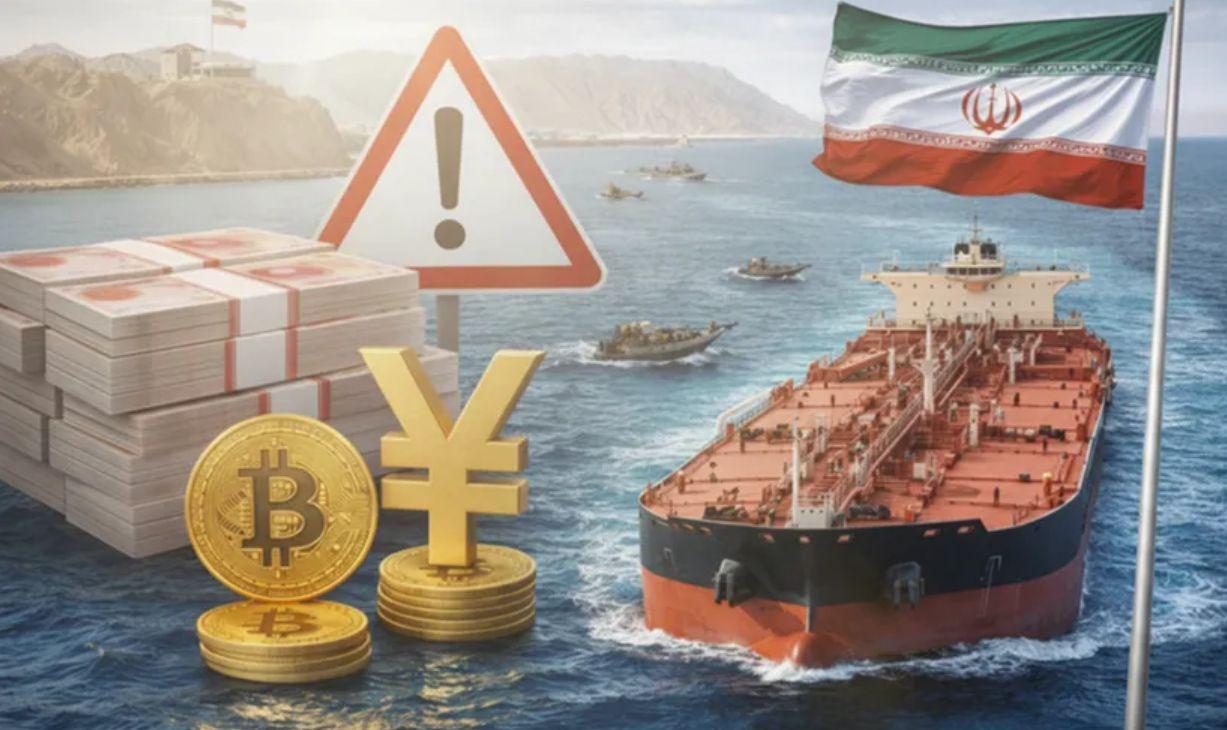
Iran is reportedly considering a groundbreaking shift in how it charges oil tankers for passing through the strategically vital Strait of Hormuz. According to Financial Times, Tehran is exploring the possibility of introducing transit fees payable in Bitcoin — a move that could significantly reshape global energy trade and financial flows.
A Strategic Waterway Under New Rules
The Strait of Hormuz is one of the most critical oil transit routes in the world, with roughly a fifth of global petroleum supply passing through it daily. Any disruption or policy change in this narrow corridor has immediate global consequences.
Iran’s reported plan involves charging oil tankers a transit fee — potentially around $1 per barrel — for safe passage through the strait. What makes the proposal particularly notable is the suggested use of cryptocurrency as the primary payment method.
Why Bitcoin?
The move toward Bitcoin is widely seen as a response to long-standing economic sanctions imposed on Iran, particularly by the United States and its allies. These sanctions have largely cut Iran off from the global financial system, especially transactions conducted in US dollars.
By leveraging Bitcoin, Iran could:
Bypass traditional banking channels
Avoid potential payment blockages
Enable faster, borderless transactions
Reduce reliance on Western-controlled financial infrastructure
Cryptocurrency transactions operate on decentralized networks, making them difficult to censor or control — an appealing feature for countries facing financial restrictions.
How the System Might Work
Sources cited by Financial Times suggest that tanker operators would be required to submit cargo details before entering the strait. Upon approval, they would receive instructions to complete payment in Bitcoin, likely through a designated digital wallet system.
The process is expected to be fast and automated, with near-instant settlement times compared to traditional cross-border payments. This could streamline logistics while simultaneously enforcing Iran’s control over the passage.
There are also reports that similar arrangements may have already been tested in limited cases, with some vessels allegedly paying substantial sums — potentially reaching millions of dollars — for secure transit.
Legal and Industry Concerns
The proposal raises serious legal questions. Under international maritime law, particularly conventions governing transit through international straits, the right to impose fees is highly contested.
Shipping companies and insurers are also likely to push back. The introduction of crypto-based payments adds complexity and volatility to an already high-risk region. Companies would need to manage cryptocurrency exposure, regulatory compliance, and operational uncertainty.
Geopolitical Implications
The initiative comes amid heightened tensions in the region. The Strait of Hormuz has long been a flashpoint for geopolitical conflict, and recent developments have only intensified scrutiny.
If implemented, Iran’s policy could:
Increase pressure on global energy markets
Trigger diplomatic disputes
Encourage other sanctioned nations to adopt similar strategies
Accelerate the use of cryptocurrencies in state-level transactions
Impact on Global Markets
The potential consequences of such a move are far-reaching:
1. Challenge to Dollar Dominance
Using Bitcoin for oil transit payments could weaken the traditional dominance of the US dollar in global energy markets.
2. Boost for Cryptocurrency Adoption
State-level use of Bitcoin would mark a major milestone for digital assets, potentially legitimizing their role in international trade.
3. Rising Transportation Costs
Additional transit fees would likely increase oil shipping costs, which could translate into higher fuel prices worldwide.
4. Increased Market Volatility
Uncertainty around policy implementation and geopolitical reactions could contribute to fluctuations in oil and crypto markets alike.
Payment with Bitcoin
Iran’s reported plan to charge tanker transit fees in Bitcoin signals a bold and unconventional approach to navigating economic sanctions and asserting control over a key global trade route.
While still under discussion, the idea reflects a broader transformation in how nations may conduct international transactions in an increasingly digital and fragmented financial landscape. If realized, this policy could mark the beginning of a new era where energy, geopolitics, and cryptocurrency intersect in unprecedented ways.