





Banks Are Slowing Down the Growth of the Crypto Market: Causes and Consequences

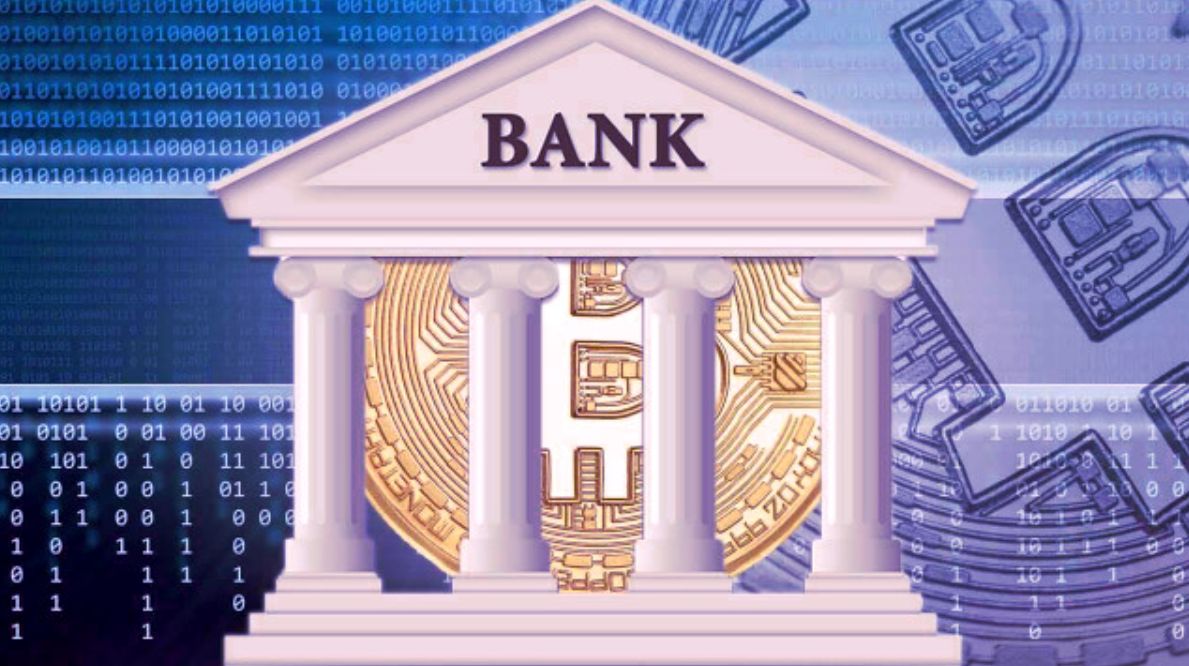
The cryptocurrency market has long outgrown its niche status. Digital assets are now widely used for investment, payments, and capital preservation. Despite this rapid growth and increasing global adoption, traditional banks continue to play a restrictive role, slowing down the development of the crypto industry.
Why Banks Are Cautious About Cryptocurrencies
The core issue lies in the fundamental difference between how banks and cryptocurrencies operate. Banks function within a highly regulated financial system, where every transaction must comply with strict AML (Anti-Money Laundering) and KYC (Know Your Customer) requirements. Cryptocurrencies, on the other hand, were designed as decentralized systems that eliminate intermediaries.
This clash creates several concerns for banks:
Limited control over transactions
Pseudonymity of users
Difficulty in tracing the origin of funds
Increased exposure to fraud and illegal activities
As a result, banks often adopt a conservative stance, restricting or even blocking crypto-related transactions.
Common Banking Restrictions
Users involved in cryptocurrency frequently encounter barriers when dealing with traditional financial institutions.
Account Freezes
One of the most common issues is the freezing of bank accounts after detecting transactions linked to crypto exchanges or swap services. Even legitimate activity can trigger internal compliance alerts.
Payment Rejections
Many banks decline transfers to crypto platforms due to internal risk policies. This creates friction for users trying to buy or sell digital assets.
Challenges for Crypto Businesses
Companies operating in the crypto space often struggle to open and maintain bank accounts. Financial institutions are hesitant to work with them due to regulatory uncertainty and perceived risk.
Impact on the Crypto Market
Banking restrictions have a direct and measurable effect on the growth of the crypto ecosystem.
Slower Mass Adoption
When users face difficulties entering the market, overall adoption slows down. Accessibility remains one of the key barriers to mainstream acceptance.
Rise of Informal Channels
Strict banking policies push some users toward unregulated or peer-to-peer methods, increasing the risk of scams and fraud.
Operational Difficulties for Exchange Services
Crypto exchange platforms and swap services must constantly adapt, often relying on complex workarounds. This can lead to higher fees, slower processing times, and reduced user convenience.

Why Banks Are Not Rushing to Adapt
Despite the rapid expansion of the crypto market, banks are not quick to embrace it. The reasons are largely practical:
Lack of clear and unified regulation
Risk of penalties from financial authorities
Absence of standardized compliance frameworks
Competition from decentralized finance (DeFi)
Additionally, cryptocurrencies challenge the traditional banking model by reducing the need for intermediaries, which directly affects banks’ core business.
Signs of Possible Cooperation
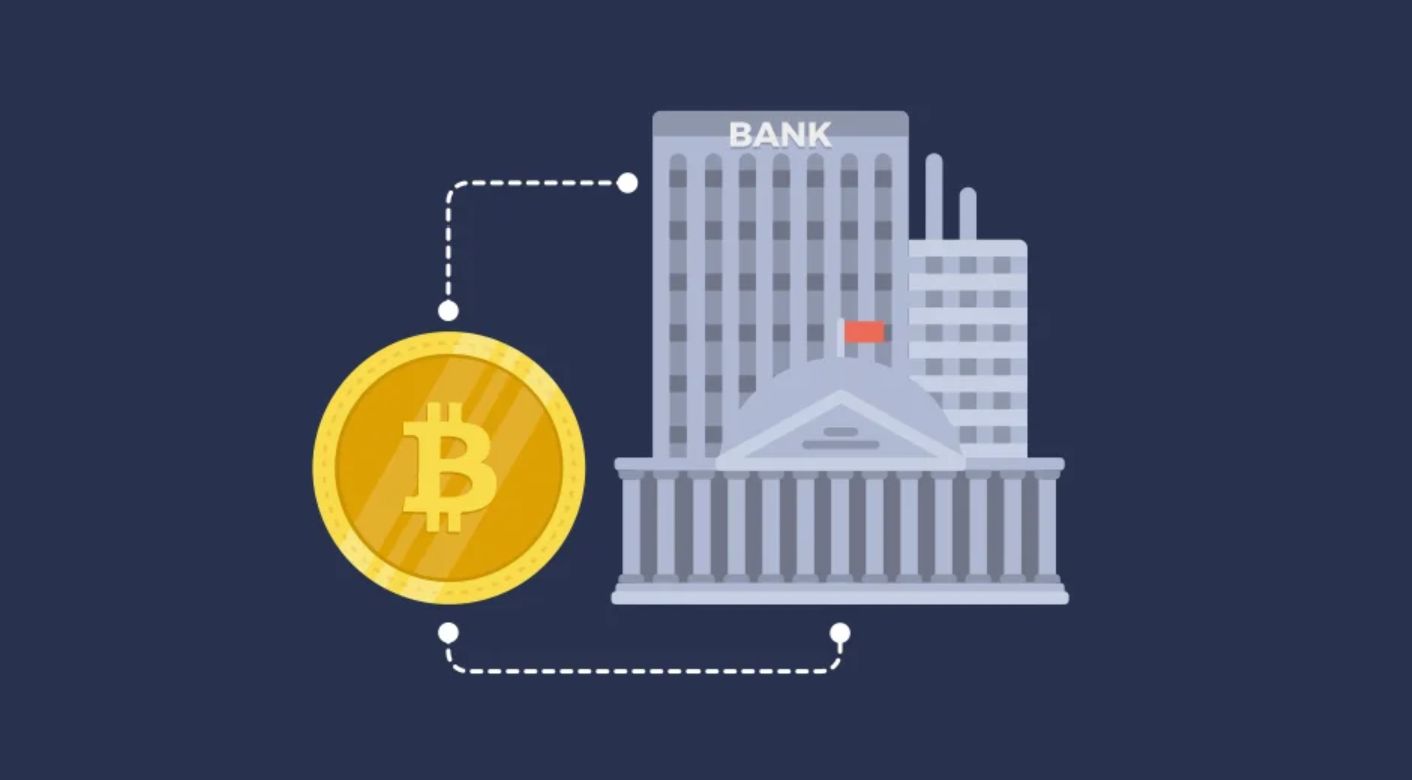
While tensions remain, there are early signs of convergence between traditional finance and the crypto industry. Some banks are beginning to explore blockchain technology, offer custodial services, and partner with crypto companies.
Emerging trends include:
Licensed cryptocurrency exchanges
Regulated stablecoins
Central Bank Digital Currencies (CBDCs)
These developments may serve as a bridge between the old and new financial systems.
What This Means for Users
In the current environment, users need to be cautious and selective when working with crypto services. Trust and transparency are critical, especially when it comes to exchanging funds.
Platforms that aggregate user feedback and reviews are becoming increasingly important. They help individuals identify reliable exchange services and avoid potential risks.
Cryptocurrency market
Banks are indeed slowing down the development of the cryptocurrency market, but their cautious approach is driven by legitimate concerns about regulation, security, and compliance. Over time, as legal frameworks evolve and the industry matures, we are likely to see greater integration between crypto and traditional finance.
Until then, users must navigate these challenges carefully, rely on trusted services, and contribute to a more transparent ecosystem by sharing their experiences.